
Is the idea of the traditional college student dying? The National Center for Education Statistics (NCES) estimates 73% to 74% of college students are considered nontraditional.
Nontraditional students can be characterized by being older than the 18-22 age range, working part or full-time, having dependents, being financially independent from parents, having a GED rather than a traditional high-school diploma and even being neurodiverse.
Accounting senior Jeri Lyne Holcomb is a nontraditional student who falls outside the typical age range of college students, has a daughter and works full time.
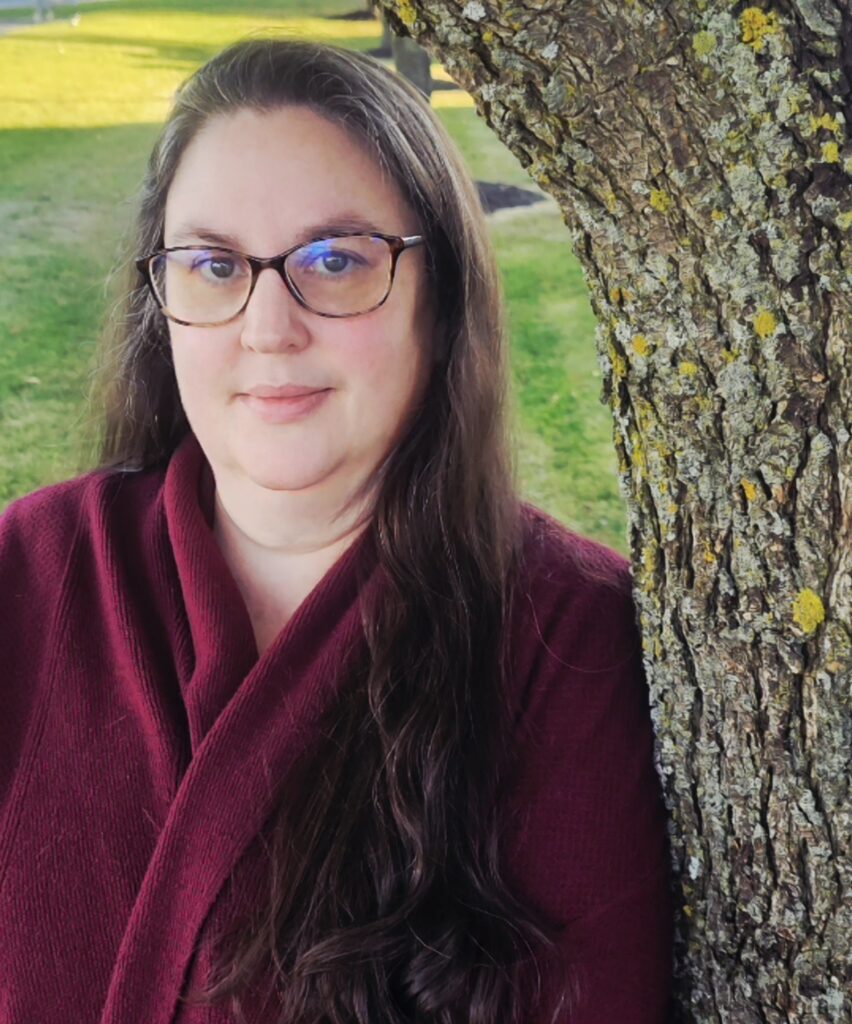
Holcomb reflected on her experience with other students as a nontraditional student attending Ferris.
“I think being an older student, you are treated differently,” Holcomb said. “As being a younger person, you tend to look at older people as authority, or the leader or somebody to take charge or control the situation, so I feel like maybe sometimes younger students might be intimidated.”
While it is common to hear many people from older generations complain about younger people, especially students, Holcomb has a lot of good to say about the younger people that she has gotten to experience college with.
“There has been more support than I thought there would be,” Holcomb said. “I have to say that the generations that I have worked with have been very supportive, so I’m grateful for that.”
Holcomb’s story is proof that taking an alternative route when it comes to college can be extremely beneficial, and college isn’t a one-size-fits-all experience.
“I got pregnant right in high school, and my father passed away when I was 17,” Holcomb said. “Did I make the right choices? Not always. Nobody does. It’s just good if you make the wrong decision to learn something from it, grow from it, and do better next time. So I just decided to try, and here I am 12 years later, and I’ve got one class left.”
Integrative studies senior Charlotte Tetsworth is a nontraditional student working on her second bachelor’s degree, and considers herself to be a 23rd-year senior.
Tetsworth is attending college once again to pick up several minors, including art history, creative writing, and philosophy. She spoke on her experiences being a nontraditional student for the second time.
“The first time I was a bit of a non-trad in that I was a little bit older. I finished my degree when I was 27, and I had a child at home, marriage, maintaining a household, and working full time,” Tetsworth said. “This time feels different. I feel more connected. This generation is very intentional with relationship building, and I found that surprising.”
Much like Holcomb, Tetsworth has a lot of good to say about the current generation of students.
“I love that I can connect with this generation of students,” Tetsworth said. “I get so much more out of taking classes with the group we have here now than I think I ever had in the past, just because there’s such an intentionality with this generation to connect.”
Tetsworth also shared why she decided to go back to college when she did.
“I was bored because my daughter had just graduated and moved out of the house,” Tetsworth said. “I have to be doing a lot of things. I’m definitely more tired now. I’m definitely feeling older. Last night I went to the deck to study and that was my first midterm in 23 years.”
Many nontraditional students have a lot of good to say about their college experiences, serving as an inspiration to other students who haven’t or don’t plan on following the traditional path.
Social work junior Hunter Kruse shared about what makes her a nontraditional student and her experiences.
“I own my home, I’m married and I live 45 minutes from campus with my husband and daughter I’m pregnant with my second child, and I’m also in my late 20s,” Kruse said.
Kruse has had mixed experiences as a result of being a nontraditional student.
“My experience has varied. Some students are fascinated by it and ask a lot of questions about it. I had one professor that was not as understanding when it came to not being able to attend campus events, especially ones that took place at night. Other than that, I have had a lot of support from my professors.”
The experience of nontraditional students varies greatly, as their lives are often drastically different from one another, and they often have different perspectives than many traditional students.
“I feel like it is harder now due to having to take on multiple roles. Having a strict schedule and balance is absolutely crucial,” Kruse said. “Some perspectives I’ve gained as a nontraditional student would be that colleges are not set up with many nontraditional students in mind.”
While being a nontraditional student is growing increasingly common, many nontraditional college students still have exceptionally unique experiences and perspectives to share, inspiring those around them not to fear paving their own paths.