
Many people look at country music and think about its stereotypical conservative values shown in songs such as Jason Aldean’s “Try That in a Small Town” or Toby Keith’s “Courtesy of the Red, White, and Blue.” But I believe that country music has more to it than just that.
Country music has deep roots in anti-government sentiment and progressivism, becoming popular in the 1920s and 1930s with the rise of Woody Guthrie.
Guthrie penned many protest songs, such as “Deportee,” which was for Mexican farmworkers, “Old Man Trump,” which was about President Donald Trump’s father, Fred and his racist housing practices. Arguably, his most popular of them all, “This Land is Your Land,” which criticized the inequality of the time.
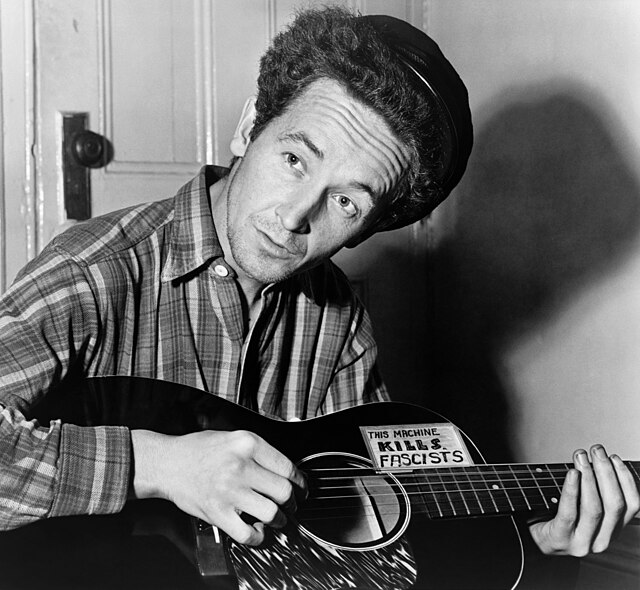
I find it incredibly interesting that almost 100 years later, this music still rings true to this day. Guthrie was really ahead of his time, creating a song about President Trump’s father and showing that the Trump family is still quite divisive, almost 70 years after writing that song.
After the 1930s, country music began to turn towards Nashville and began to try to appeal to the predominantly white audience of the radio stations and live venues of the South. As the progressive 1960s and 1970s rolled along, the rise of artists such as John Prine, Kris Kristofferson, Johnny Cash and Willie Nelson came to the forefront of country music.
Prine is often seen as the greatest songwriter in country music history, penning many anti-war songs such as “Your Flag Decal Won’t Get You into Heaven Anymore.” Other songs of his tell the story of a Vietnam veteran becoming addicted to drugs after the war or have anti-establishment messaging, such as warning of the dangers of mining companies.
Kristofferson, who is also seen as one of the greatest songwriters, wrote protest songs about social injustices. His songs discussed topics from the abuse of authority and the misuse of the legal system to tribute songs to figures like Martin Luther King Jr.
Nelson’s song tackled issues like voting, immigration and social justice. His song “The Border” supported open borders and criticized harsh immigration policies. In others, he has encouraged people to use their vote and urged a change in government, and has even vocalized his support of LGBTQ+ rights in the song “Cowboys Are Frequently, Secretly Fond of Each Other.”
This style of music started to fall out of popularity in the late 1990s and early 2000s and country music began to sit at the forefront of conservative values.
Artists like Keith, Aldean and Darrel Worely characterized the post-9/11 patriotism and rural conservative values; these songs emphasized themes of American exceptionalism and support for the Iraq and Afghanistan wars.
Once the mid to late 2010s and 2020s came along, so did the new rise of artists with their own values. Their were many who weren’t scared to express them through their music, such as Jason Isbell, Tyler Childers, Jesse Welles and Margo Price.
Childers released an album in 2020 called “Long Violent History,” which is a protest album centralized around the title track against racism during the Black Lives Matter movement in 2020, while Price released her song “Fight to Make It” in 2022, which protests the stripping of reproductive rights in America and the high maternal mortality rates.
While many people’s first instinct for country music is generally to think of it as a music for conservatives, I believe that is completely untrue and if you just dig into the history, you will also see that it is untrue.