
Black History Month is an annual celebration that highlights African American history and achievements throughout the month of February.
Black History Month was invented by Carter G. Woodson. Born in 1875 to enslaved parents in Virginia, he was an African American pioneer, historian, author and journalist known as the “Father of Black History.”
He created Black History Week in 1926 because Black people were left out of history. In the education system, only white historical figures were taught in the classroom, when African Americans had a major role in building the United States of America.
This week eventually evolved into Black History Month in 1976.
African Americans had a significant impact on areas like music, art, fashion, literature and social movements.
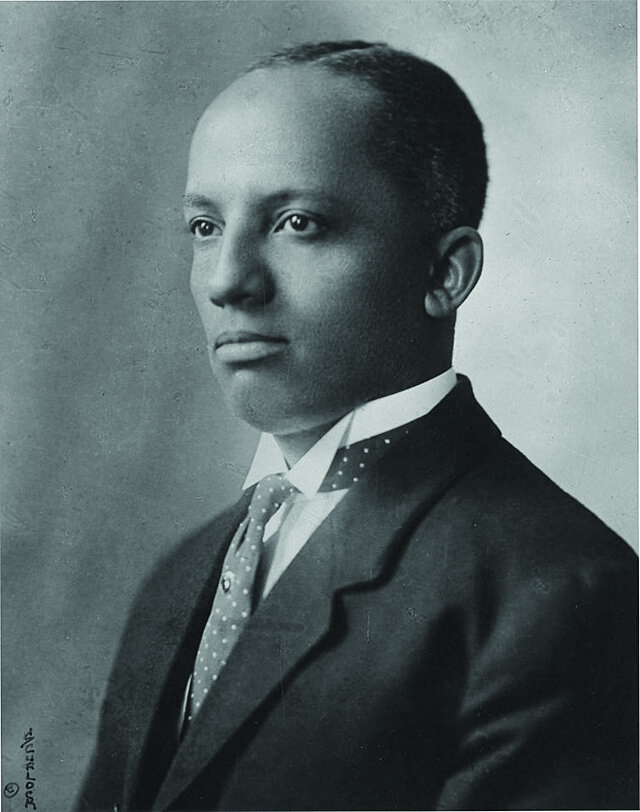
Frederick Douglass, born in 1818, escaped slavery and used his personal story to advocate for freedom, voting rights and equal protection under the law. He delivered speeches, wrote books and lobbied politicians, challenging systemic oppression.
Douglass laid the foundation for civil rights movements today, proving that African Americans could fight for legal and social equality.
Ella Fitzgerald, born in 1917, was one of the first Black women to sing and perform jazz in segregated venues. She broke racial barriers by challenging laws and social norms that prevented Black entertainers from playing in front of mixed audiences.
She paved the way for some of the entertainers we see today, like Michael Jackson, born in 1958.
He broke racial barriers in 1983 as the first Black artist with heavy rotations on MTV. He forced the music industry to recognize that Black entertainment could be global and mainstream with his hit “Billie Jean.”
He combined R&B, pop and dance, setting new standards for the entertainment industry.
All of these influences led to present-day movements such as the Black Lives Matter movement in 2013, using social media, viral campaigns and public protest to highlight police brutality and systemic racism.
The Black Lives Matter movement initially started in response to the shooting and murder of a 17-year-old Black man, Trayvon Martin, in 2012.
Martin was walking to the local corner store through his father’s fiancée’s neighborhood, where he was visiting his father.
On his way back home from the store, George Zimmerman, a 28-year-old white neighborhood watch volunteer, saw him as a threat and shot and killed Trayvon Martin on Feb. 26, 2012.
Daniel “Dapper Dan” Day, born in 1944, created luxury streetwear rooted in Black culture. He remixed logos from brands like Gucci and Louis Vuitton at a time when mainstream Black fashion and creativity were ignored.
Day opened a Harlem boutique and designed for hip-hop artists, making Black style visible and influential. He proved Black designers could have global trends.
Paving the way for the present-day brands that dominate the fashion industry, such as Baby Phat by Kimora Lee Simmons in 1999, Apple Bottom Jeans by Nelly in 2003, and Rocawear by Jay-Z and Damon Dash in 1999.
The impact of Black Culture is relevant from the past to the present. From fashion, music and social movements, Black culture laid the foundation for the trends we see today.