
We have become so comfortable with enjoying our favorite media without actually having ownership of those art forms.
This really isn’t anything new either. Throughout my generation’s lifetime, we have seen a big shift in how media is consumed.
When I was younger, to watch a movie at my house, I had to go to our basement to either grab a VHS tape or pull out the black binder DVD case. When listening to music in the car, we had sleeves of CDs that my parents would burn at home.
By the time I was in middle school, it felt like Netflix and iTunes had taken over these rituals in most households, including my own.
Something that concerned me was how quickly it felt like people moved away from physical media. Sure, it is very convenient, but I think physical media has its place and is something that is valuable even in a world where everything seems digital.
Relying on these streaming services doesn’t guarantee that they will always have some of your favorites. The streaming services all seem to have some sort of rotating slate which makes it hard to watch what you love.
We’ve grown so accustomed to streaming whatever we want, whenever we want, that we rarely question the fact that we don’t actually own the art we love; we’re simply borrowing it at the mercy of shifting licenses and subscription fees. In prioritizing convenience over ownership, we risk losing not only guaranteed access to our favorite media but also the deeper connections these physical forms of content provide.
It’s not like I am someone who has a physical copy of every piece of content I am consuming or I am telling you that you need to be doing that too. I use a select number of streaming services for movies and music and even the console I own only allows for digitally downloaded games to be played.
Finding exactly what you want to watch can be brutal as well. If you have a certain movie in mind but don’t have the service it is streaming on, you either have to fork over the money to subscribe or just watch something else. There might be another avenue some might suggest taking if you don’t want to pay for a movie but I won’t go into that any further.
A good friend of mine still has one of those cases filled with DVDs, along with a DVD player and was kind enough to share one of their favorite movies with me. It worked out perfectly because it brought the two of us together to enjoy a movie and because I didn’t have any services that it was streaming on.
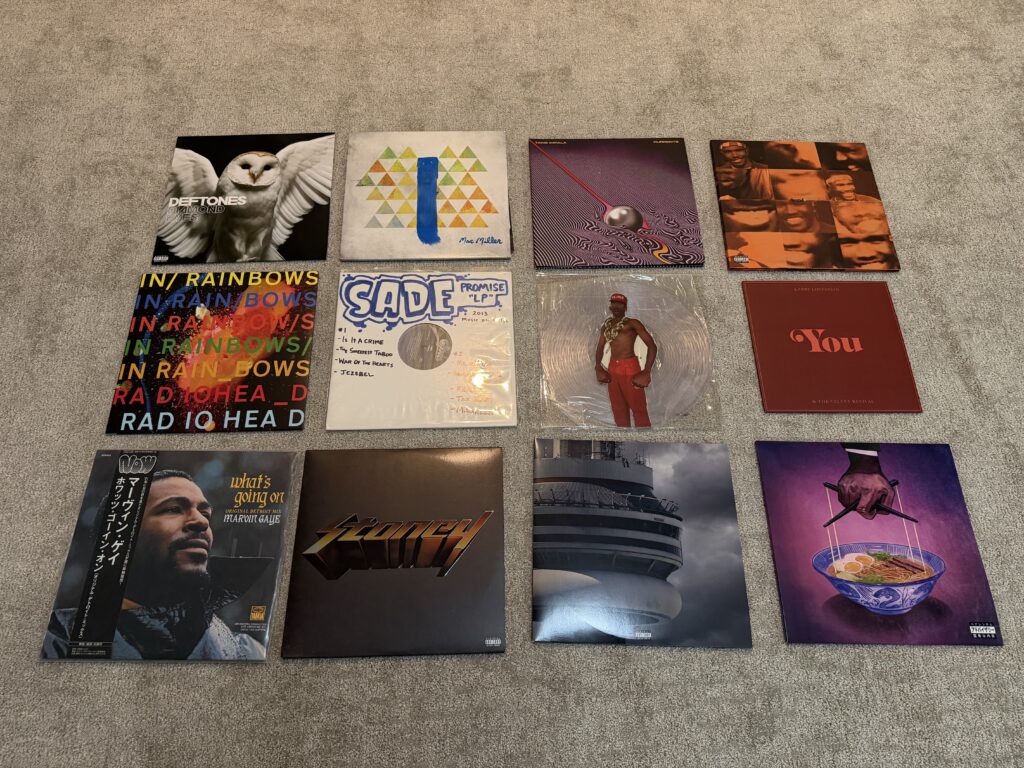
One reason I have become so interested in physical media is that I love the feeling of collecting records that I enjoy on vinyl. There is something so exciting to me about going to the local record store in Traverse City while I am visiting home and browsing through their selections.
I don’t always leave with a new record but I often leave the store with more knowledge about artists or songs by talking with the people who run the shop. I don’t get these feelings or social interactions with people who are also just as passionate about music by browsing Spotify’s catalog.
To me, it feels like we have this fixation on digitalizing everything in our lives for sheer convenience.
This is a bit out of my lane, but we even have devices dedicated to reading books on a digital platform. This makes it easier to purchase books and have them instantly at your fingertips. Although just like the rest of the content we talked about, if you have the subscription service, your options are limited and you aren’t guaranteed that your favorite book will always be there.
Building that physical library, whether it be books, music or movies, is the ultimate way to enjoy your experience. It is a way to connect and tap in with media in a whole new way.
It is so important that we continue to buy and support physical forms of the media we love. This is one way art is kept alive. Being able to actually hold it in your hands and share it with people you love.